
Miami Recent Arrests
Miami maintains recent arrests through the Miami-Dade County Sheriff's Office and local law enforcement agencies. You can search arrest records online through county jail booking logs and inmate databases. The sheriff operates detention facilities that process all arrests in the Miami area. Most booking information becomes public shortly after arrest. Anyone can access these records to look up recent arrests in Miami, Florida. The jail roster updates throughout the day as new bookings occur and inmates are released. You may search by name to find current custody status, charges filed, bond amounts, and mugshot photos.
Miami Arrest Records Quick Facts
Miami Sheriff Arrest Records
The Miami Police Department handles arrests within city limits. After booking, inmates go to Miami-Dade Corrections and Rehabilitation facilities. The main jail sits at 2525 NW 62nd Street in Miami. You can call 786-263-7000 for inmate information.
Miami-Dade County runs one of the largest jail systems in Florida. Multiple facilities house inmates from Miami and other county cities. The corrections department maintains an inmate search database accessible to the public. This search shows current inmates and recent releases.
When Miami police make an arrest, the booking happens fast. Fingerprints and mugshots are taken. Charges get entered into the system. The person either posts bond or stays in jail until their court date. Most arrests in Miami involve misdemeanors like drug possession, theft, or battery. Felony arrests are less common but more serious.
Searching for Miami arrests requires knowing which agency handled the booking. City police arrests go through county corrections. If you cannot find someone in the inmate database, they may have posted bond already or the booking is still processing. Call the jail for the most up to date info on recent arrests.
Miami Court Records
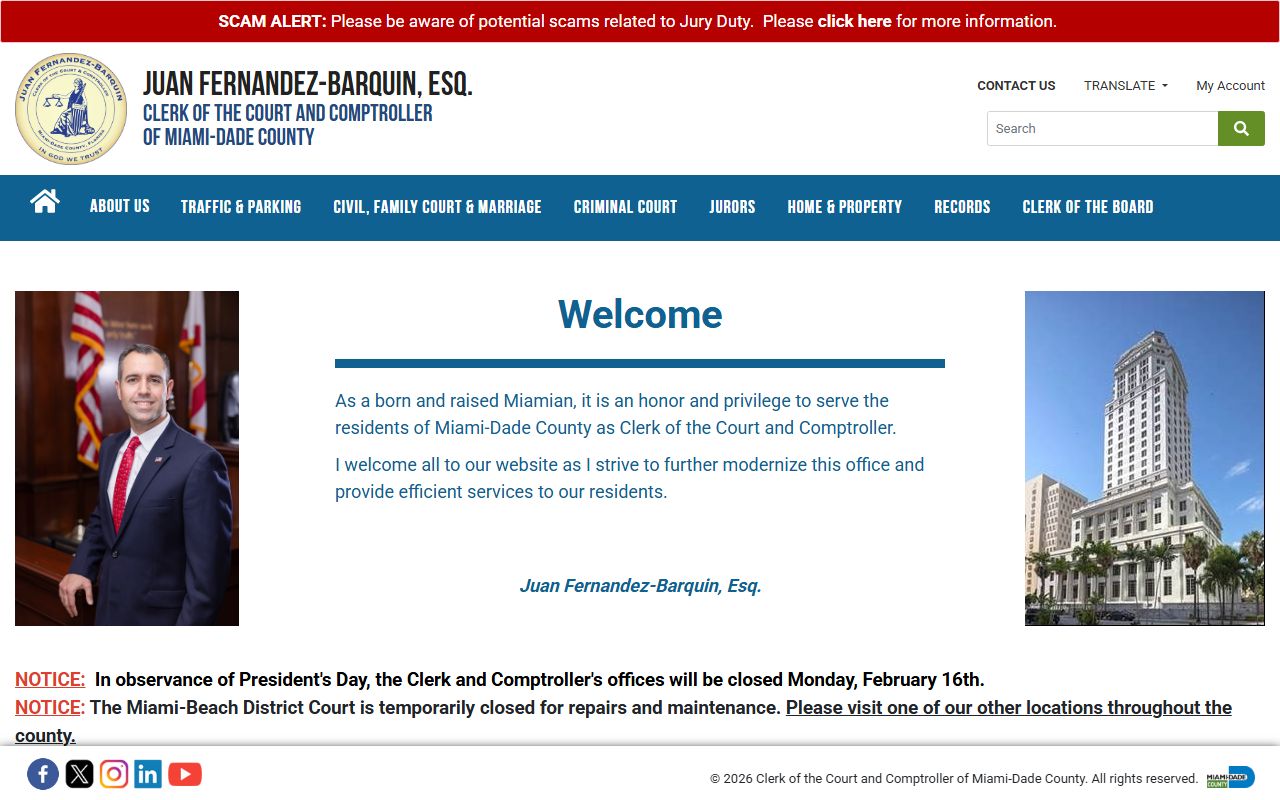
After an arrest in Miami, cases move to Miami-Dade County courts. The Miami-Dade Clerk of Court maintains criminal case files. Their online portal lets you search by name or case number.
Court records contain more detail than booking logs. You see the formal charges, attorney names, hearing dates, and case outcomes. Many Miami arrests result in plea agreements where charges get reduced. Some cases go to trial. Others get dismissed for lack of evidence or procedural issues.
The clerk's website offers free searches of criminal dockets. You can track a case from arrest through final disposition. This helps if you need to know what happened after someone got arrested. Bond hearings, arraignments, and sentencing all appear in the court file.
Note: Court records update slower than jail records since cases take weeks or months to resolve.
How to Find Miami Arrests
Start with the Miami-Dade Corrections inmate search if you need current custody info. You can search by name or booking number. Enter the last name and hit search. The system returns matching records from the jail database.
Each inmate record shows booking date, charges, and bond amount. Physical description includes height, weight, race, and gender. Housing location tells you which facility holds the inmate. Release dates appear for those who bonded out or finished their sentence.
For arrests older than a few months, check the clerk of court website. Past inmates may no longer appear in the corrections database. Court records stick around longer. You can find case info going back years through the clerk's search tool.
Phone inquiries work too. Call the main jail number at 786-263-7000. Tell them you want to verify if someone is in custody. Give the full name and date of birth if you have it. Staff can search their system and confirm custody status over the phone.
In-person visits to the jail allow you to ask questions directly. The facility has a lobby where family and friends can inquire about inmates. Bring photo ID. Staff will look up the person and tell you their status. You can also ask about visitation rules if you plan to visit an inmate.
Searching Miami Recent Arrests
Beyond Miami arrests, you can search all of Florida through state agencies. The Florida Department of Law Enforcement compiles criminal history from every county. Their CCHInet system lets you run a statewide background check.
FDLE searches cost money. You pay twenty five bucks for a name-based check. Results show arrests from Miami and anywhere else in Florida. This is useful if someone moved around the state. You get a complete picture instead of just one county.
The Florida Department of Corrections tracks state prison inmates. Anyone sentenced to more than a year in prison goes to FDOC custody. Miami residents convicted of felonies often transfer to state facilities. The FDOC offender search shows their location and release date.
Local Miami-Dade records remain the best source for recent arrests. State databases take time to update. If an arrest happened this week, check county sources first. State systems may not reflect the latest bookings for several days.
Understanding Florida Public Records
Florida's Sunshine Law governs access to arrest records in Miami. Chapter 119 of Florida Statutes says all state, county, and city records are open for inspection. Arrest reports and jail logs fall under this law. Anyone can request them without stating a reason.
Miami police and county corrections must provide access to public records. You do not need to be involved in a case to see arrest info. The public has a right to know who got arrested and for what charges. Only active investigations or sealed cases are exempt.
Online databases make Miami arrest records easy to find. You do not have to file a formal request for basic booking data. Just use the county's inmate search tool. More detailed police reports may require a written public records request to the Miami Police Department.
Sealed records are confidential. Expunged records are destroyed. If a court ordered sealing or expunction, the arrest will not appear in public searches. These protections exist for people who were never convicted or who met strict eligibility rules after completing their sentence.
Legal Resources and Support
People arrested in Miami have a right to legal representation. The Miami-Dade Public Defender's Office represents defendants who cannot afford a private attorney. They handle felony and misdemeanor cases throughout the county.
Legal aid organizations in Miami offer free consultations on criminal matters. These groups help with expungement petitions and other record-related issues. Income limits apply for their services. Not everyone will qualify for free legal aid.
Private criminal defense lawyers practice all over Miami. Many specialize in specific crimes like drug offenses, DUI, or violent crimes. If you need a lawyer after an arrest, shop around. Ask about fees upfront. Some attorneys charge flat rates while others bill hourly. Initial consultations are often free.