
Find Florida Recent Arrests
Florida maintains arrest records at both the state and county level. You can search recent arrests through county jail booking logs, state databases, or local law enforcement websites. Each of Florida's 67 counties operates its own detention facility with online inmate search tools. The Florida Department of Law Enforcement keeps a central database of criminal history records. Most arrest information becomes public shortly after booking. Anyone can access these records to look up recent arrests in Florida.
Florida Arrest Records Quick Facts
Florida Arrest Record Databases
The state runs two main systems for arrest and criminal records. The Florida Department of Law Enforcement handles criminal history checks. The Florida Department of Corrections tracks state prison inmates and those on probation. Both agencies offer online search tools that work day and night.
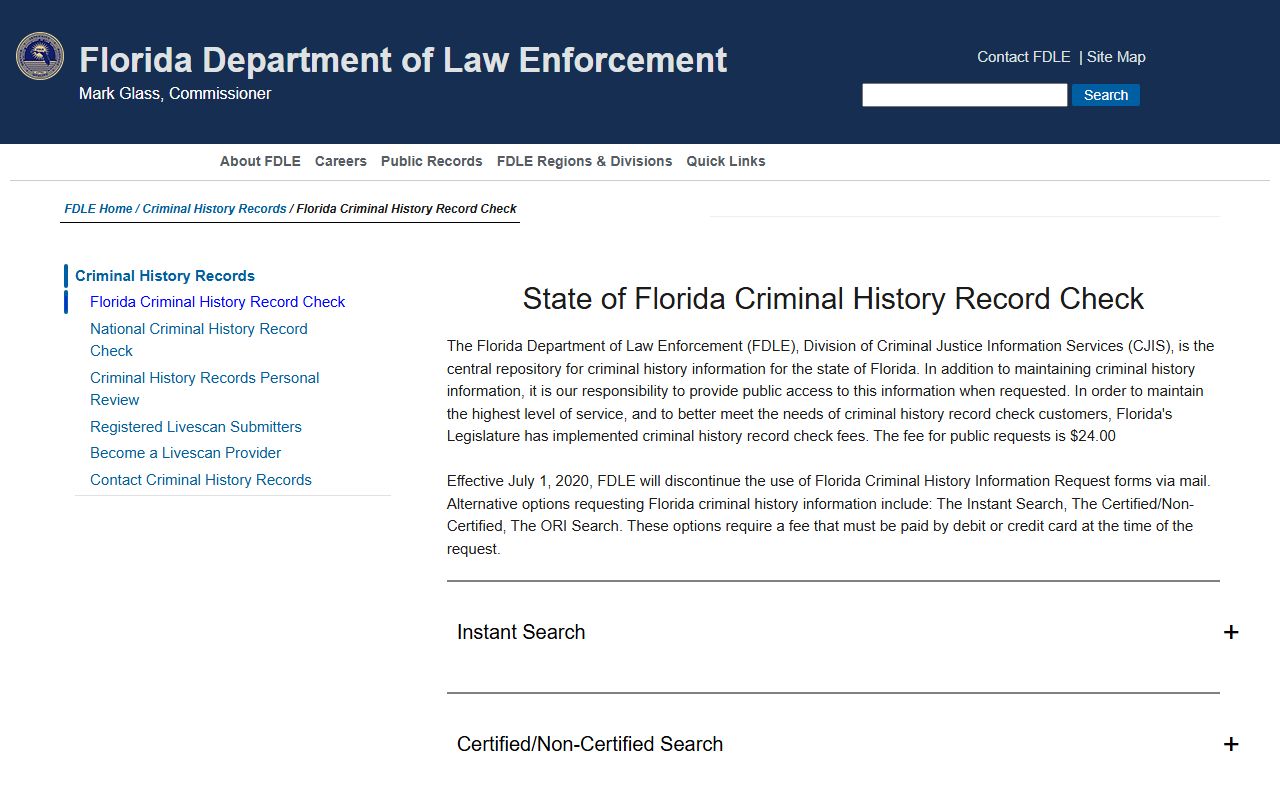
FDLE processes over a million criminal history background checks each year. Their CCHInet portal lets you run name-based searches of Florida arrest records. A search costs twenty five bucks total. This includes a one dollar fee on top of the base rate. Results come back fast, often in less than one day. The system may show a single match, no record found, or a list of possible matches if more than one person has that name.
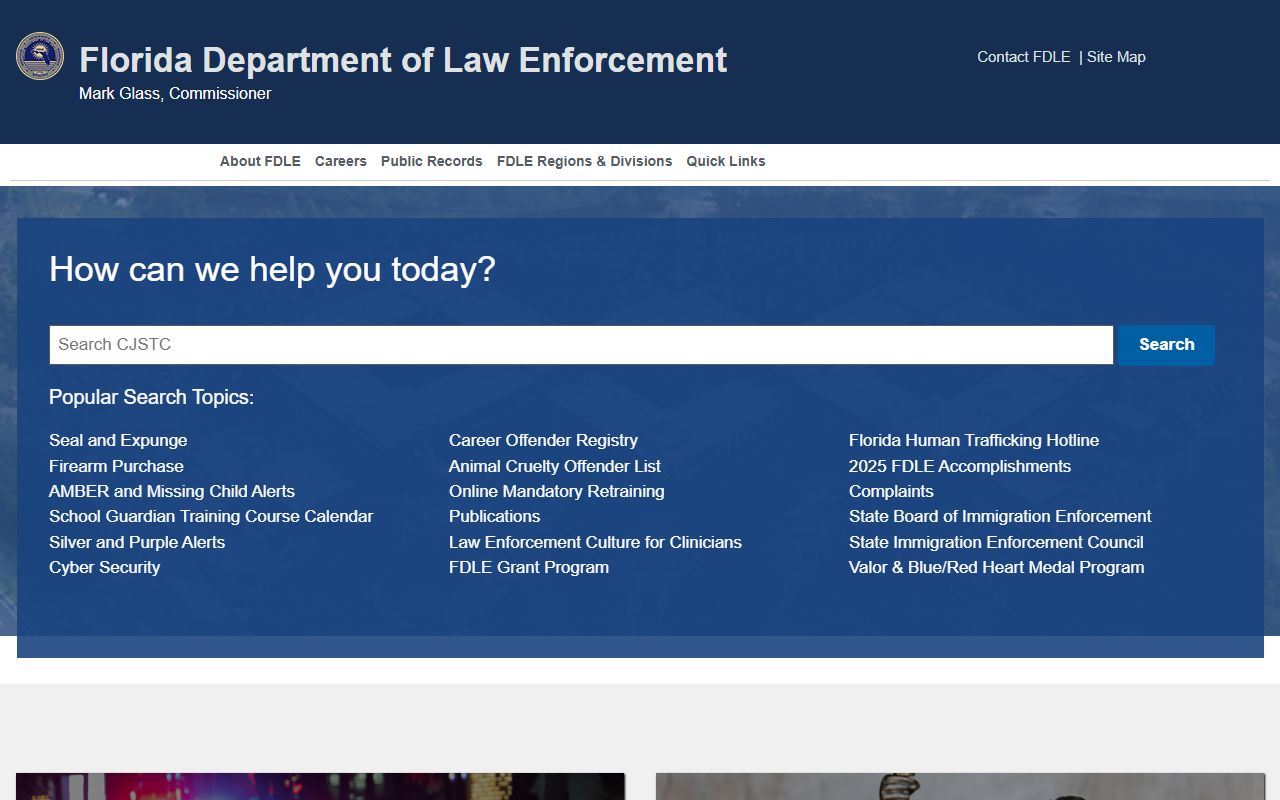
The FDLE website provides access to many services beyond just arrest lookups. You can find info on how to get your own criminal history report. They also handle requests to seal or expunge old arrest records. Their main office sits at 2331 Phillips Road in Tallahassee. Call them at 850-410-7000 for help with criminal history records. The seal and expunge section uses the same number.
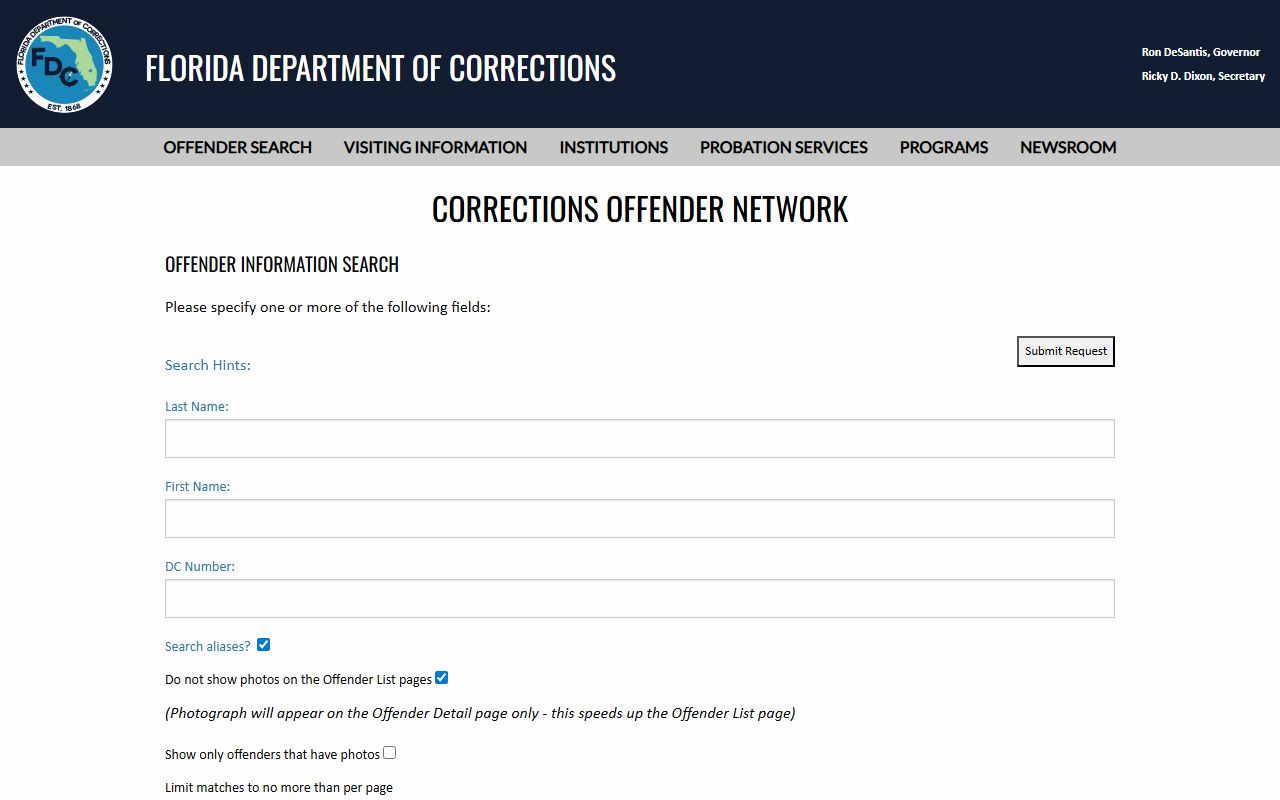
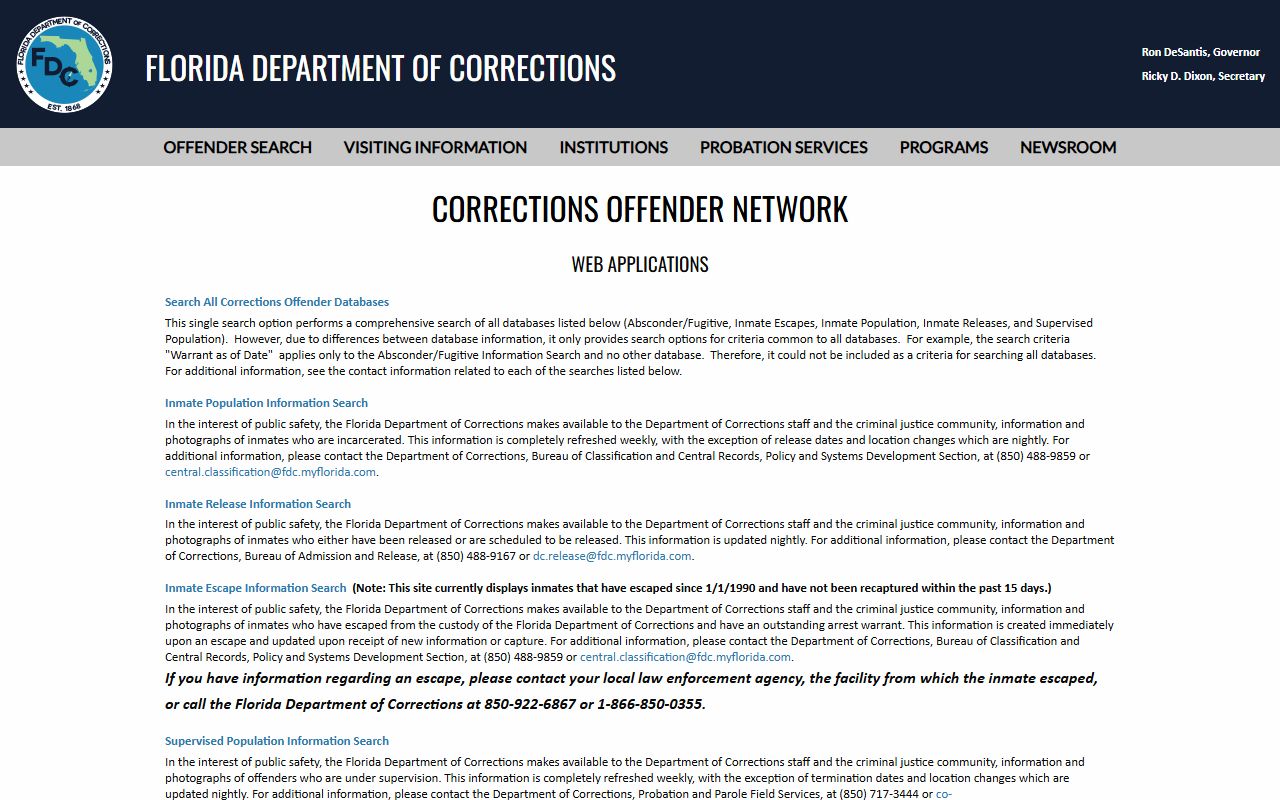
The state Department of Corrections runs a different search tool focused on prison inmates and those under state supervision. Visit the FDOC offender search page to look up anyone sent to state prison. This database updates weekly for most info. Release dates get updated every night. The system tracks current inmates, recently released persons, those who escaped, and people on probation or parole.
Note: County jail records are separate from state prison data and must be searched at the local level in Florida.
Where to Find Recent Arrests in Florida
Each county sheriff runs a detention center. Most have online booking logs you can check any time. These logs update throughout the day as new arrests come in. A booking log shows who got arrested in the past day or week. You see the name, age, booking date, and what charges were filed. Many counties also show mugshots with their jail rosters.
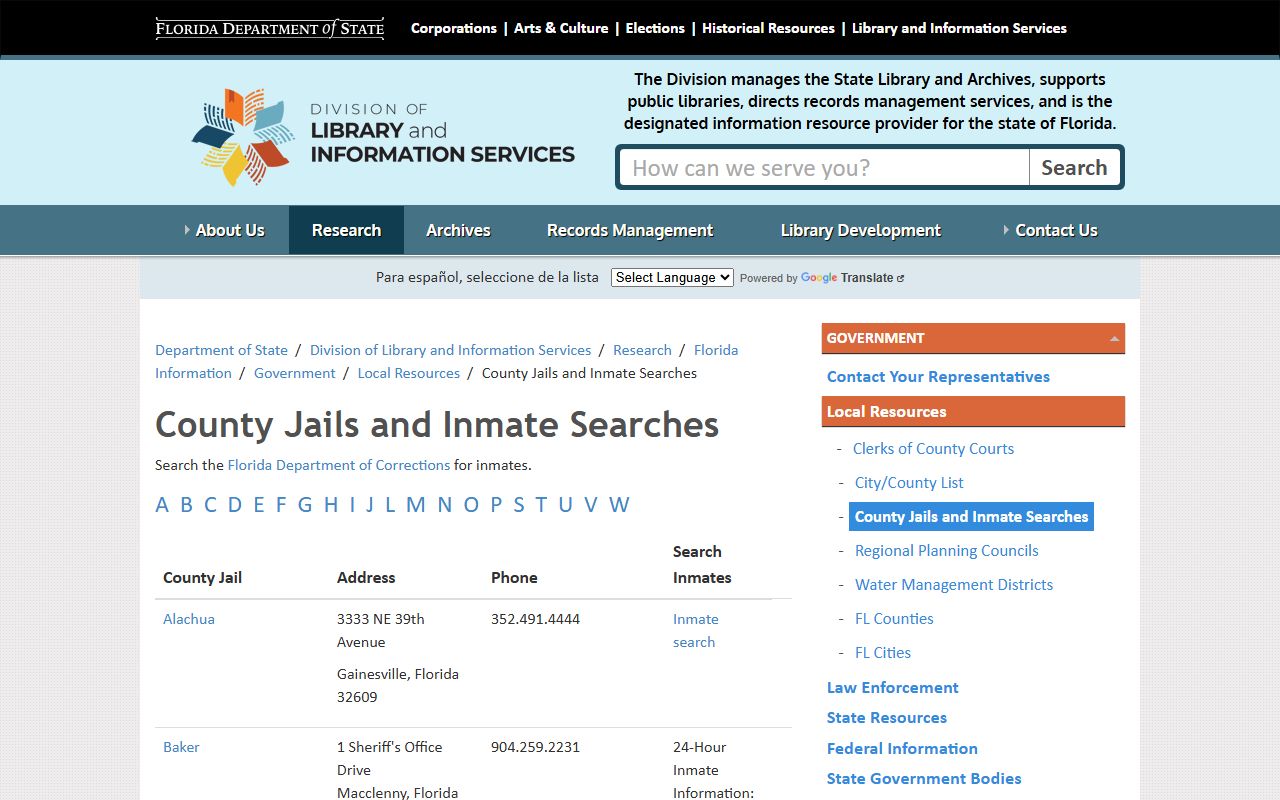
The Florida Department of State keeps a complete directory of county jails with links to each county's inmate search system. This list covers all 67 counties in Florida. Pick your county and click through to find the local jail website. Some counties use their own custom search pages. Others use standard jail management software that looks similar across multiple counties.
Booking info varies by county. Large metro jails like Miami-Dade, Broward, and Hillsborough post detailed booking reports. Smaller rural counties may show less detail online. If you cannot find what you need on the website, call the jail direct. Staff can tell you if someone is currently locked up there.
Search tools at the county level are free to use. No fee applies when you look up arrest info through a county jail website. The state FDLE search charges a fee, but local jail rosters do not. This makes county sites the best first stop for recent arrest lookups in Florida.
Search Methods for Florida Arrests
Online searches give you the fastest way to find arrest records. Most county jails let you search by last name and first name. Some also allow searches by booking number or date range. Type in the name and hit search. Results pop up in seconds if that person is in custody or was recently booked.
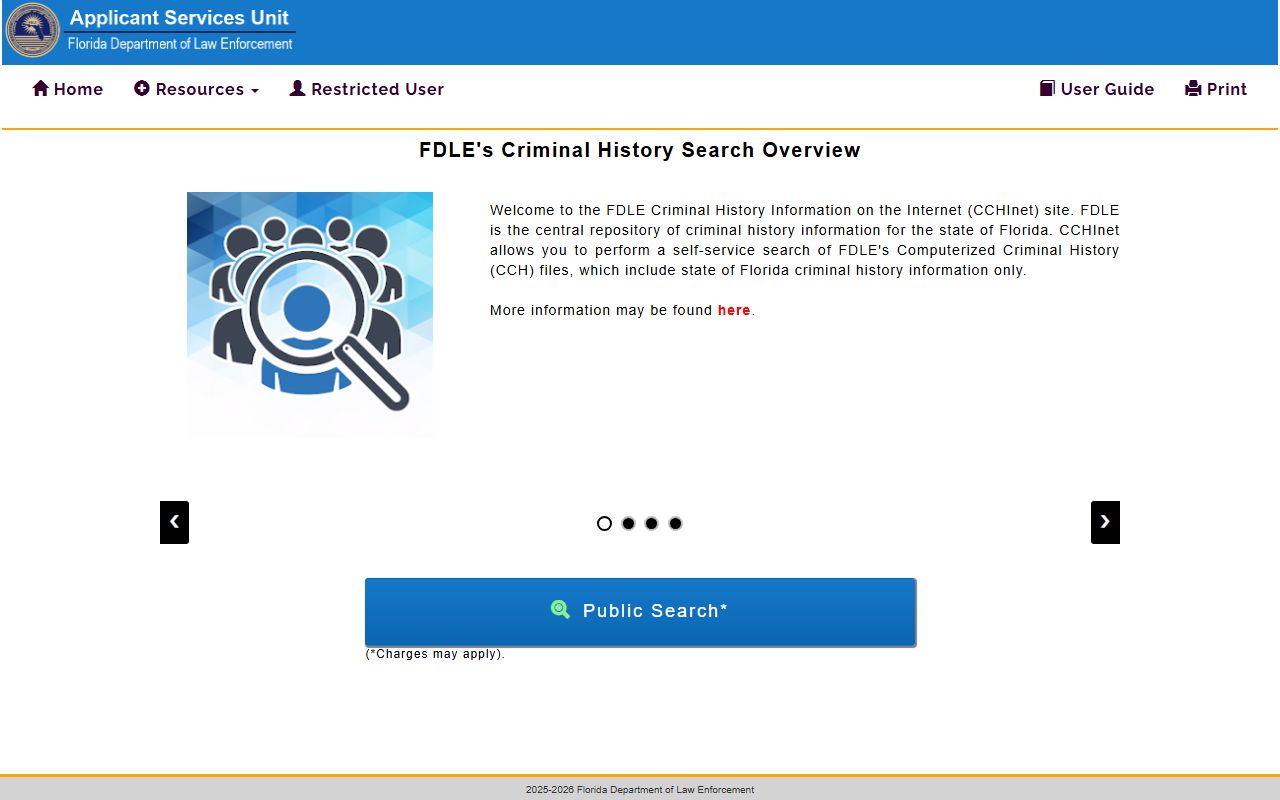
For statewide criminal history, use the FDLE system. Go to the criminal history records page to start. You need the person's full name and date of birth for best results. The search pulls from a central database that gathers arrest info from agencies across Florida. Keep in mind this costs money, unlike the free county jail searches.
The FDOC offender search works well if you know someone went to state prison. Search by name or by DC number if you have it. A DC number is six characters long. It may be all numbers or one letter followed by five numbers. The system lets you search aliases too. Just check that box before you run the search.
In-person requests are another option. Visit the county jail during business hours. Ask staff at the front desk for booking info. They can look it up for you on the spot. Bring photo ID with you. Some jails print out booking sheets on request. Others will just tell you yes or no if someone is there.
Phone calls work for quick checks. Call the jail's main line. Tell them you want to verify if someone is in custody. Give them the full name. Most jails have an automated system you can use by pressing numbers on your phone. Follow the prompts to search by name or booking number.
Florida Public Records Access
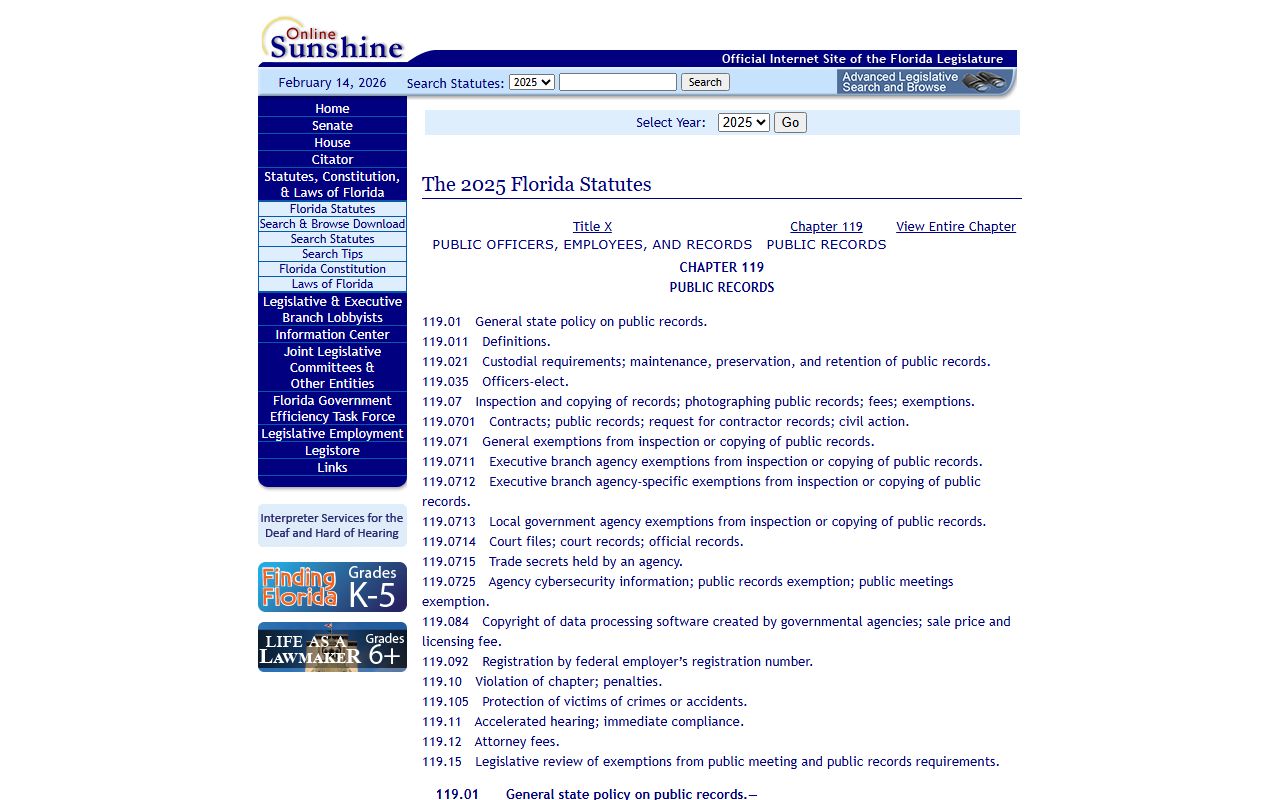
Florida follows strong open records laws. The state's Sunshine Law makes most government records public. Arrest records fall under this law. Under Chapter 119 of Florida Statutes, all state, county, and municipal records are open for inspection by any person. You do not need to give a reason for your request. You do not have to be involved in the case.
The law defines public records broadly. It includes documents, papers, letters, maps, books, tapes, photos, films, sound recordings, and data processing software. Arrest reports, booking sheets, and jail logs all count as public records in Florida. Any person can ask to see them or get copies.
Some exemptions exist. Active criminal investigations may be kept confidential until the case closes. Confessions made by an arrested person stay exempt until the criminal case wraps up. The identity of a confidential informant remains protected. But once a case moves forward and charges get filed, most arrest details become public record.
Agencies must provide access to public records. They can charge a fee for copies but not for the time spent searching. Florida law says automation of public records must not erode the right of access. This means counties cannot hide arrest info just because they put it online. The records stay public no matter what format they use.
Understanding Criminal History in Florida
Criminal history information includes arrest records, charges, and case outcomes. Florida Statutes define this under Section 943.045. A criminal history record is any non-judicial record kept by a criminal justice agency. It contains details like arrest dates, charges filed, and what happened with each case.
The FDLE serves as the central repository for criminal history info in Florida. Local agencies send arrest data to FDLE. The state compiles it all into one database. This lets background checks pull from a single source rather than checking 67 counties one by one.
Arrest records differ from conviction records. An arrest means law enforcement took someone into custody. It does not mean guilt. Many arrests do not lead to conviction. Charges may get dropped. Cases may get dismissed. A person might go to trial and be found not guilty. The arrest record still exists even if no conviction follows.
Florida agencies must disseminate criminal justice information according to state and federal laws. Section 943.053 governs how this info gets shared. Criminal justice agencies get access for free. Private companies and individuals can get records too, but fees apply. The FDLE charges the same fee no matter how much data you request.
Sealed and expunged records are treated differently. When a court orders a record sealed, it becomes confidential. Only certain agencies can still see it. When a court orders expunction, the record gets destroyed. Under Section 943.0585, a person can petition for expunction if they were never convicted. Not all offenses qualify. Sexual crimes, trafficking, and other serious charges cannot be expunged. The process takes about twelve weeks once you file the paperwork.
Types of Arrest Records Available
Several types of arrest records exist in Florida. The booking report is created when someone first gets arrested. It shows the date, time, location, and reason for the arrest. The arresting agency writes this report. It includes the charges and a narrative of what happened.
Mugshots and fingerprints get taken during booking. These become part of the arrest record. Many counties post mugshots online with their jail rosters. Fingerprints go into state and federal databases. They help identify repeat offenders and match arrests to the right person.
Jail rosters list everyone currently in custody. They update throughout the day. A roster shows the inmate's name, age, sex, race, booking date, and charges. It may also show the bond amount and expected release date. Some rosters include the housing unit where the inmate is being held.
Court records tie to arrest records once charges get filed. The arrest leads to a court case. The case file contains the charging document, motions, hearings, and the final outcome. Court records are separate from jail records, but both are public in Florida.
County Jail Records vs State Prison Data
County jails and state prisons serve different roles. Jails hold people awaiting trial. They also hold those serving short sentences, usually less than one year. Prisons house inmates convicted of felonies with longer sentences.
When you search for recent arrests, start with county jails. New arrests go to the local jail first. The person stays there until they post bond or go to court. If convicted of a felony, they may transfer to state prison later. But the arrest itself shows up in county records.
The FDOC database covers only those sentenced to state custody. It does not include county jail inmates. If someone got arrested last week, check the county jail roster. The FDOC system will not have that info unless the person was already serving a state prison term.
Release information updates differently for each system. County jails may update in real time as people bond out or get released. The FDOC updates release dates nightly. Inmate population info updates weekly. This means state data may lag a few days behind what actually happened.
FDLE Background Check Services
FDLE offers two levels of background checks. Level 1 is a state-only, name-based check. Results come back in about one day. Level 2 is a fingerprint-based check that includes both Florida and FBI records. This level takes longer but gives more complete results.
The instant name search through CCHInet is the Level 1 option. You pay online and get results fast. The system searches Florida arrest records by name. If it finds a match, you see the criminal history. If it finds no record, it tells you that. If multiple people have the same name, it shows a list of possible matches. You pick the right one based on age or other details.
Level 2 checks require fingerprints. You go to an authorized LiveScan provider. They scan your prints and send them to FDLE and the FBI. This type of check costs more, ranging from fifty to one hundred bucks. Employers and licensing agencies often require Level 2 for jobs that involve kids or vulnerable adults.
Personal criminal history reviews are available too. Florida residents can request their own record from FDLE. This is different from a background check. It gives you a chance to see what the state has on file about you. You can use it to check for errors or to see if old charges are still showing up. Contact FDLE at 850-410-7870 to ask about getting your personal record.
Search Florida Arrests by County
Each county operates its own detention facility with arrest records and booking logs. Pick a county below to find local jail contact info and inmate search tools.
Recent Arrests in Major Florida Cities
Residents of major cities can search arrest records through their county sheriff or local police department. Pick a city below to learn about recent arrests in that area.